
A New Chapter Begins for the Controversial Golf League
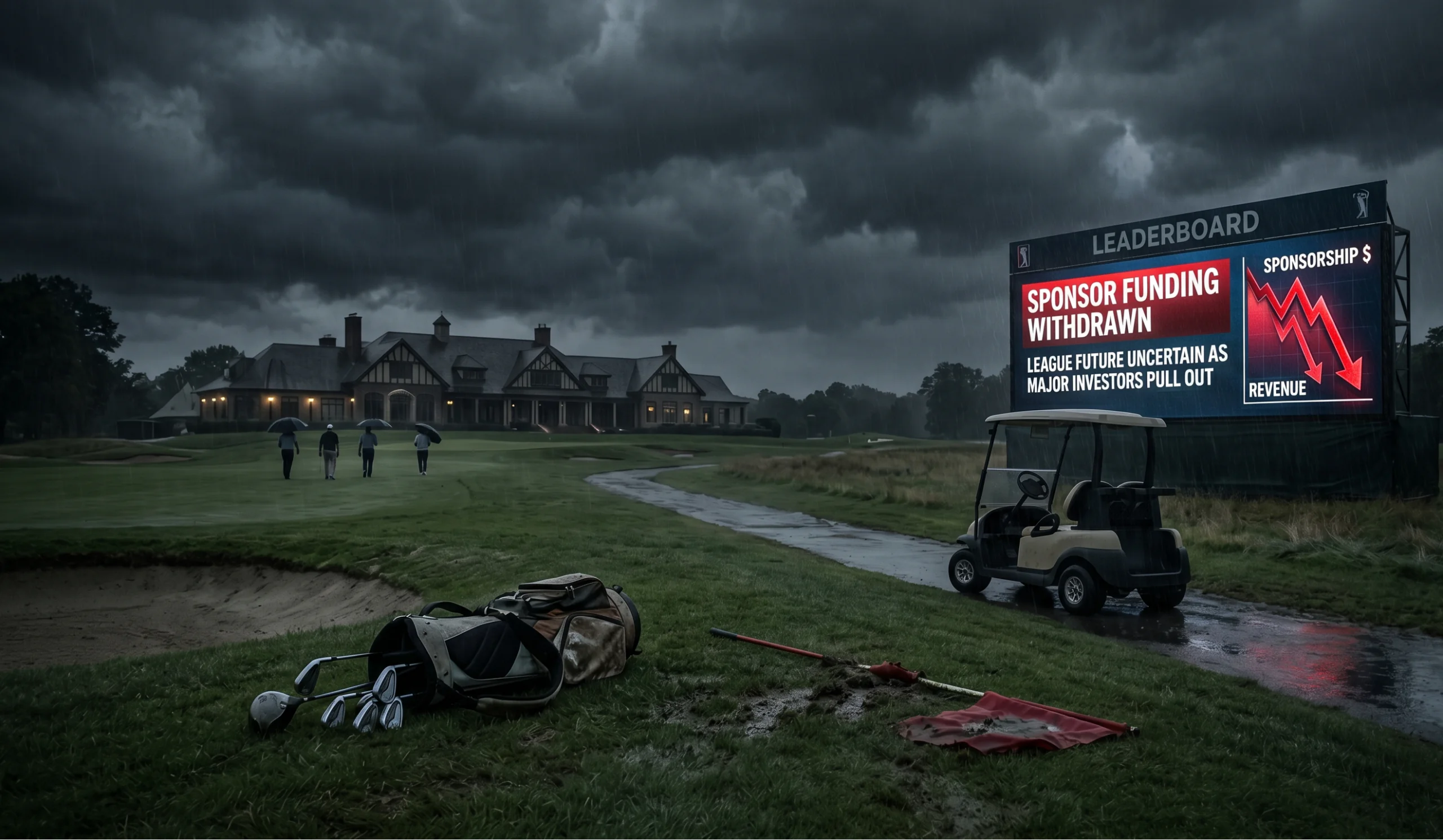
LIV Golf, the upstart professional golf league that sent shockwaves through the sport when it launched in 2022, has announced comprehensive strategic plans aimed at ensuring its long-term viability following the withdrawal of Saudi Arabian funding. The announcement marks a pivotal moment for the league, which must now prove it can stand on its own financial footing after years of being bankrolled by the Saudi Public Investment Fund.
The league’s leadership revealed their roadmap during a press conference that addressed the elephant in the room head-on: how does an organization that reportedly operated at significant losses plan to survive without its deep-pocketed benefactor? The answer, according to LIV Golf executives, lies in a combination of broadcasting deals, corporate sponsorships, and a restructured operational model designed to achieve financial sustainability.
The Financial Reality Behind the Bold Statements
Since its inception, LIV Golf has been synonymous with lavish spending. The league attracted top-tier talent like Phil Mickelson, Dustin Johnson, and Brooks Koepka with eye-watering signing bonuses and guaranteed purses that dwarfed traditional PGA Tour offerings. Reports suggested the league was losing hundreds of millions of dollars annually, a deficit that seemed inconsequential given the seemingly unlimited resources of its Saudi backers.
However, the landscape has shifted dramatically. With the Saudi funding tap turned off, LIV Golf must now operate like a traditional sports enterprise, generating revenue that can at least approach its expenditures. Industry analysts have expressed skepticism about whether this transition is feasible, particularly given the league’s premium cost structure and the challenges it has faced in securing major broadcasting partnerships.
The strategic plans announced include aggressive pursuit of media rights deals across multiple platforms, including streaming services that have shown increasing appetite for live sports content. The league is also targeting expansion into new markets, with particular focus on Asia and the Middle East, where golf’s popularity continues to grow and where LIV Golf believes it can capture significant market share.
What This Means for Players and Fans
For the professional golfers who made the controversial decision to join LIV Golf, often at the cost of their eligibility for traditional tours and major championships, this announcement raises important questions about their career decisions. Many signed multi-year contracts based on the assumption of continued Saudi backing, and the financial terms of those agreements may now come under scrutiny.
Sources close to the league suggest that player compensation structures will need to be revisited as part of the sustainability efforts. While no specific details have been released, it seems unlikely that the astronomical guaranteed payments that characterized LIV Golf’s early years can continue in a self-sustaining business model. How players respond to potential pay adjustments could significantly impact the league’s ability to retain its roster of star talent.
For fans, the league has promised that the product on the course will remain unchanged. The team-based format, 54-hole tournaments, and shotgun starts that differentiate LIV Golf from traditional professional golf competitions will continue. The league emphasized its commitment to delivering an entertainment-focused viewing experience that appeals to both dedicated golf fans and casual sports viewers.
Industry Implications and the Broader Golf Landscape
The announcement comes at an interesting time for professional golf. Negotiations between the PGA Tour and Saudi interests regarding a potential framework agreement have been ongoing, with multiple deadline extensions and considerable uncertainty about the future structure of professional golf at the highest level.
LIV Golf’s determination to continue operations independently adds another layer of complexity to these discussions. If the league can successfully transition to a sustainable business model, it would represent a permanent shift in the professional golf ecosystem, forcing traditional tours to continue competing for talent and viewership in ways they never had to consider before 2022.
Golf industry experts suggest that LIV Golf’s success or failure in this new chapter will have ramifications extending far beyond the fairways. The league’s ability to survive without sovereign wealth backing would demonstrate that alternative models for professional sports leagues can work, potentially inspiring similar disruptions in other sports. Conversely, failure would reinforce traditional assumptions about the barriers to entry in established professional sports markets.
Looking Ahead
As LIV Golf embarks on this new phase of its existence, the coming months will be critical. The league must quickly demonstrate progress on its stated goals of securing broadcasting partnerships and corporate sponsors while managing costs to approach break-even operations. The professional golf world, and the broader sports industry, will be watching closely to see whether this bold experiment in sports entrepreneurship can survive its most significant test yet.