
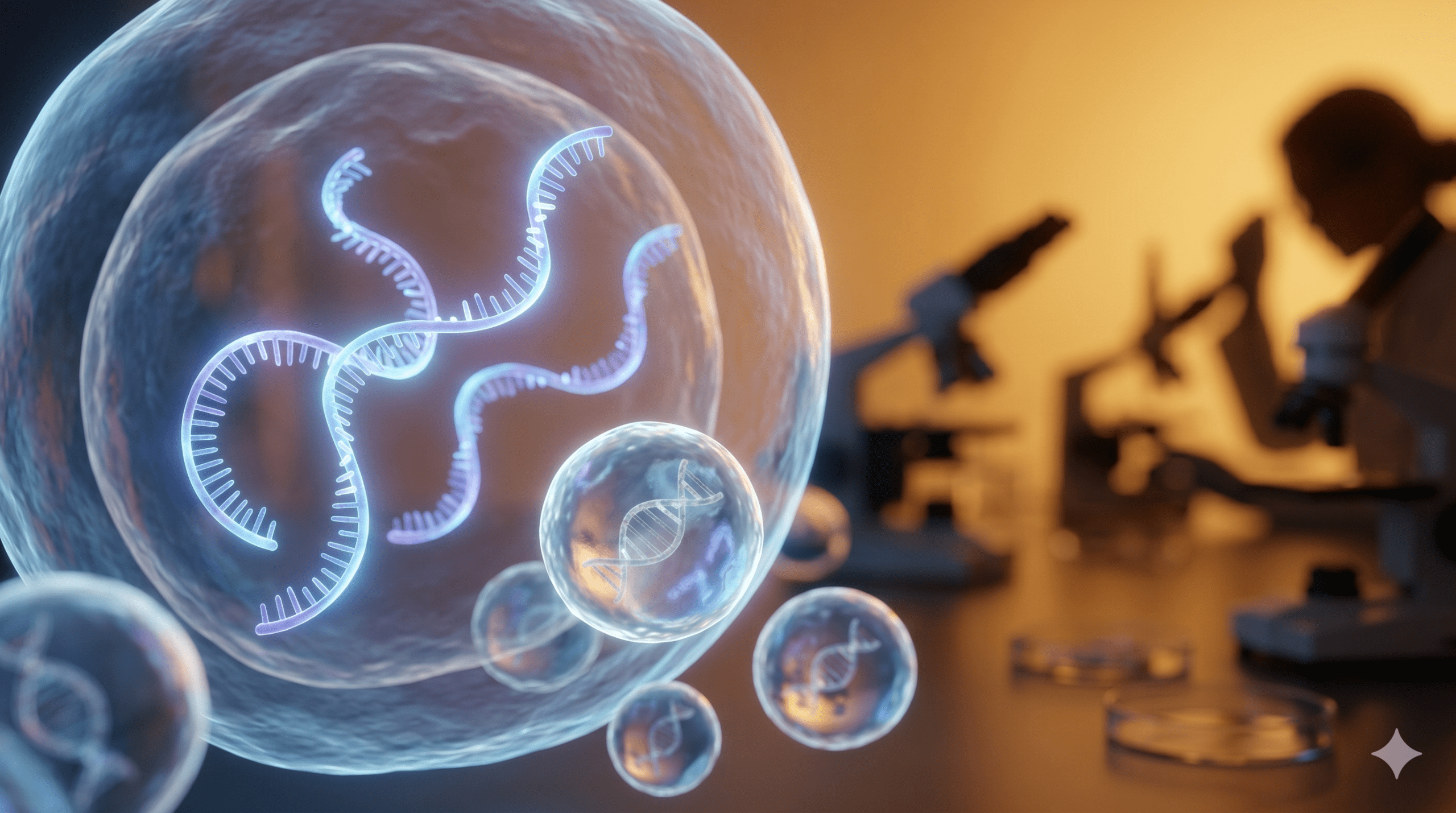
A New Era in Cancer Treatment Emerges from mRNA Technology
After a turbulent year marked by setbacks and skepticism, cancer researchers are now witnessing encouraging developments in the field of mRNA vaccines designed to fight various forms of cancer. The same technology that revolutionized our response to the COVID-19 pandemic is showing remarkable potential in oncology, offering hope to millions of patients worldwide who are battling this devastating disease.
The journey has not been without its challenges. Following the unprecedented success of mRNA vaccines against coronavirus, expectations for cancer applications soared to extraordinary heights. However, the complexity of targeting cancer cells proved far more intricate than addressing a viral infection, leading to initial disappointments and a period of recalibration within the scientific community.
Understanding How mRNA Cancer Vaccines Work
Unlike traditional vaccines that prevent disease, therapeutic mRNA cancer vaccines are designed to treat existing cancers by training the immune system to recognize and attack tumor cells. These vaccines work by delivering genetic instructions that teach cells to produce proteins found on the surface of cancer cells. Once the immune system learns to identify these proteins as foreign invaders, it can mount a targeted attack against tumors throughout the body.
What makes this approach particularly exciting is its potential for personalization. Researchers can analyze a patient’s specific tumor, identify unique mutations, and create a customized vaccine tailored to that individual’s cancer. This precision medicine approach represents a significant departure from traditional one-size-fits-all cancer treatments.
Recent Breakthroughs Fuel Optimism
Several pharmaceutical companies have reported promising results from clinical trials in recent months. Moderna, one of the pioneers in mRNA technology, has shown particularly encouraging data in melanoma patients when their vaccine is combined with immunotherapy drugs. Patients receiving the combination treatment demonstrated significantly improved outcomes compared to those receiving immunotherapy alone.
BioNTech, the German company that partnered with Pfizer on their COVID-19 vaccine, is also making substantial progress with cancer vaccine candidates targeting multiple tumor types including pancreatic cancer, one of the most challenging cancers to treat. Early-stage trials have shown that these vaccines can successfully trigger immune responses against cancer cells while maintaining acceptable safety profiles.
The Science Behind the Renewed Hope
Researchers have made crucial improvements to mRNA vaccine technology over the past year. Enhanced delivery mechanisms now allow the genetic material to reach its targets more efficiently, while modifications to the mRNA structure have improved stability and reduced unwanted inflammatory responses. These technical refinements address many of the concerns that emerged during earlier trials.
Additionally, scientists have gained a deeper understanding of how to select the most effective cancer targets for vaccine development. By focusing on mutations that are essential for tumor survival and unlikely to disappear through evolutionary pressure, researchers are creating vaccines that tumors cannot easily evade.
Challenges That Remain on the Horizon
Despite the optimism, significant hurdles still stand between current progress and widely available cancer vaccines. Manufacturing personalized vaccines at scale presents logistical and economic challenges that the industry must address. Each custom vaccine requires individual production, making the process time-consuming and expensive compared to standardized treatments.
Furthermore, cancer’s ability to evolve and develop resistance mechanisms means that vaccines may need to be part of combination therapies rather than standalone treatments. Researchers are actively exploring how mRNA vaccines can work synergistically with existing treatments like chemotherapy, radiation, and other immunotherapies.
What This Means for Patients and Families
For the millions of people affected by cancer, these developments represent genuine cause for cautious optimism. While approved mRNA cancer vaccines are still likely years away for most cancer types, the accelerated pace of research suggests that this timeline could be shorter than previously anticipated. Several vaccines are already in advanced clinical trials, with results expected within the next two to three years.
Healthcare experts advise patients to stay informed about clinical trial opportunities, as participation not only provides access to cutting-edge treatments but also contributes to the advancement of medical science. Conversations with oncologists about emerging therapies should become part of regular cancer care discussions.
Looking Toward a Transformed Future
The progress in mRNA cancer vaccines represents more than just incremental advancement in oncology. It signals a fundamental shift in how we approach cancer treatment, moving from broad interventions toward precisely targeted therapies designed for individual patients. As research continues and technology improves, the vision of vaccines that can effectively treat or even prevent certain cancers is becoming increasingly realistic.
The scientific community’s resilience through a challenging year has laid the groundwork for what could become one of the most significant medical breakthroughs of our generation. While patience remains necessary, the promising signs emerging from laboratories and clinical trials worldwide suggest that the future of cancer treatment is brighter than ever before.