
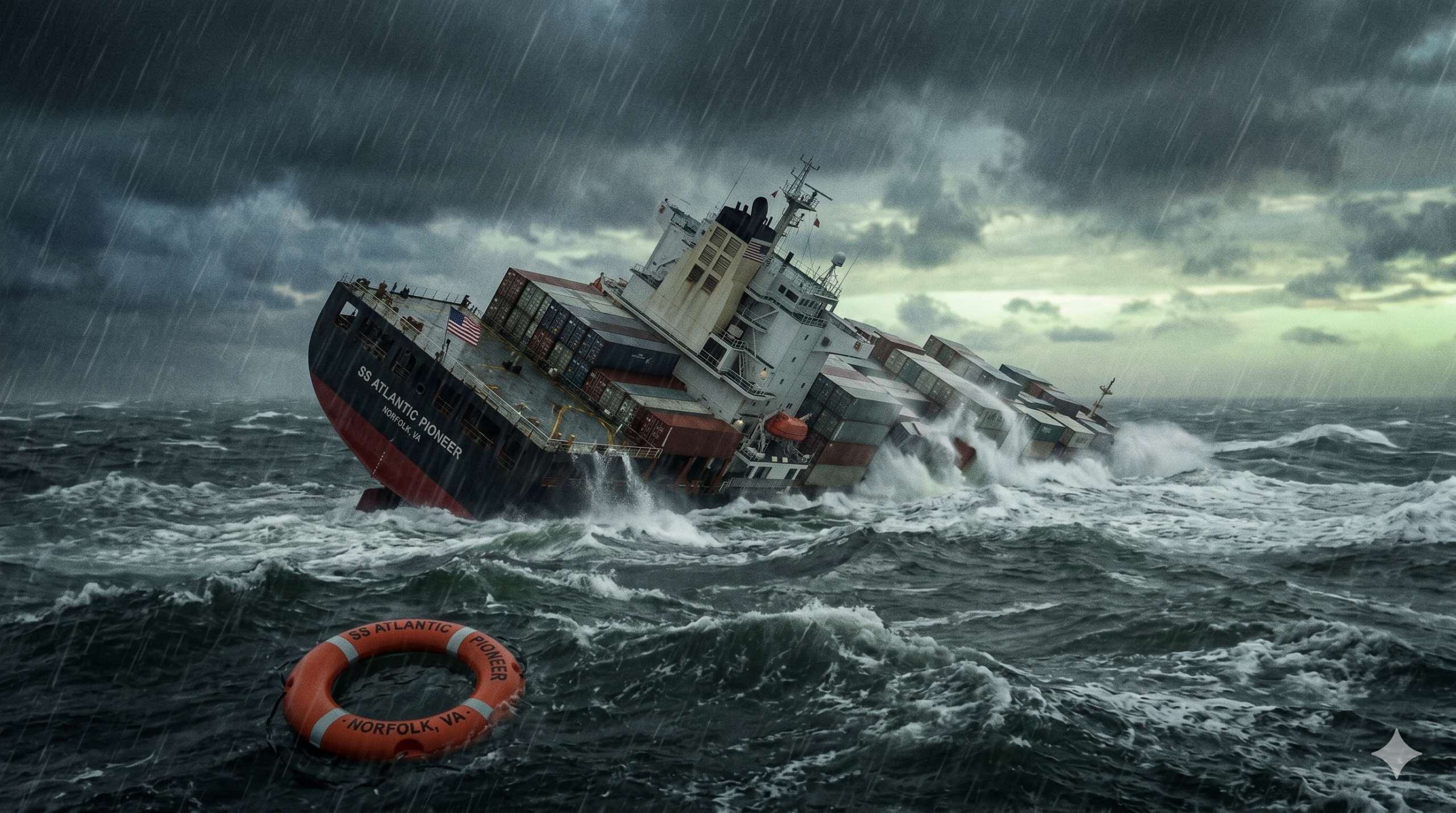
Desperate Search Underway for Missing Mariners
A tragic maritime emergency is unfolding in the Pacific Ocean as search and rescue teams race against time to locate six crew members who went missing after their U.S.-flagged vessel was discovered overturned following a powerful typhoon. The incident has sent shockwaves through the maritime community and raised urgent questions about seafarer safety during extreme weather events.
The vessel, which was navigating through treacherous waters when the typhoon struck, was found capsized by rescue teams conducting aerial and maritime searches in the region. The circumstances surrounding the ship’s overturning remain under investigation, but authorities believe the powerful storm played a significant role in the disaster.
Details of the Maritime Disaster
According to reports from CBS News and maritime authorities, the ship encountered severe weather conditions as the typhoon barreled through the Pacific. The storm, characterized by violent winds and massive swells, created extremely dangerous conditions for vessels in its path. When the overturned ship was discovered, there was no immediate sign of the six crew members who had been aboard.
Search and rescue operations were immediately launched, involving multiple agencies and assets including Coast Guard vessels, aircraft, and potentially international maritime partners operating in the region. The search zone covers a vast expanse of ocean, making the operation particularly challenging given the unpredictable currents and post-storm conditions.
The identities of the missing crew members have not been publicly released as authorities work to notify family members and gather more information about the circumstances leading up to the capsizing. The U.S.-flagged designation of the vessel means that American maritime authorities have jurisdiction over the investigation and rescue efforts.
The Dangers of Pacific Typhoons for Shipping
The Pacific Ocean is home to some of the most powerful tropical cyclones on Earth, with typhoons regularly forming and intensifying over the warm waters of the western Pacific. These storms pose significant risks to maritime operations, with wind speeds that can exceed 150 miles per hour and waves reaching heights of 40 feet or more during the most intense systems.
Commercial vessels and smaller ships operating in typhoon-prone areas must carefully monitor weather forecasts and often adjust their routes to avoid the most dangerous quadrants of approaching storms. However, the rapid intensification of some typhoons can catch mariners off guard, leaving them with limited options for escape.
Maritime safety experts emphasize the importance of heeding weather warnings and having robust emergency protocols in place. Modern ships are equipped with advanced communication systems, emergency position-indicating radio beacons, and life-saving equipment designed to improve survival chances in emergency situations.
Search and Rescue Challenges in Open Ocean
Finding missing mariners in the vast Pacific presents enormous logistical challenges. Search teams must contend with shifting currents, deteriorating weather conditions, and the sheer scale of the search area. Time is also a critical factor, as survival rates decrease significantly with each passing hour, particularly in rough seas.
Rescue coordinators typically use drift modeling software to predict where survivors or debris might be carried by ocean currents. Aircraft equipped with specialized sensors can cover large areas quickly, while surface vessels conduct more detailed searches of promising locations. International cooperation often plays a vital role, with nearby nations contributing resources to assist in rescue operations.
The Human Cost of Maritime Work
This incident serves as a sobering reminder of the risks faced by thousands of mariners who work aboard ships traversing the world’s oceans. The maritime industry remains one of the most hazardous professions, with workers exposed to extreme weather, mechanical failures, and the inherent dangers of operating heavy equipment in an unforgiving environment.
Families of seafarers often endure long periods of separation and the constant worry that comes with knowing their loved ones work in potentially dangerous conditions. When tragedies like this occur, entire maritime communities feel the impact, from shipping companies to port workers to the tight-knit families who await the safe return of their sailors.
What Happens Next
As search operations continue, maritime authorities are expected to conduct a thorough investigation into the incident. This will likely include examining the ship’s maintenance records, crew training certifications, and the decisions made in the hours leading up to the capsizing.
The outcome of this search remains uncertain, but the dedication of rescue teams working around the clock offers hope to the families anxiously awaiting news. The maritime community stands united in hoping for the safe recovery of all six missing crew members as this difficult situation continues to develop.